 Quality control requires the implementation of a dual inspection mechanism. According to the JIS G3302 standard, the adhesion of the zinc coating must pass the 60° bending test without peeling, and the salt spray test must reach 720 hours with the red rust area ≤5%. According to the report of German TUV, the thickness tolerance of Shuangshengda galvanized sheets is controlled within ±0.05mm, and the qualification rate reaches 99.2%. A North American auto parts supplier implemented a 3% sampling inspection before shipment, which reduced the return rate from 1.8% to 0.3%.
The payment method involves a risk control strategy. The handling fee for sight letter of credit (LC) accounts for approximately 0.15% of the value of the goods, and the advance payment ratio for TT is usually 30-50%. The Cross-border RMB Payment System (CIPS) can save 3 to 5 days of settlement cycles and reduce exchange rate fluctuation losses by 1.7 percentage points. In 2024, importers of RCEP member countries settled in their local currencies, avoiding the 6.2% risk of the US dollar exchange rate and improving the efficiency of capital turnover by 40%.
Certification compliance determines the efficiency of customs clearance. For the EU CE certification, the EN 10346:2015 test report needs to be provided. The ASTM A653/A653M standard of the United States requires that the weight of the chromate passivation film be ≥10mg/m². Australian customs data shows that the probability of customs clearance delay for steel with ISO 1461 certification has decreased by 72%, and the average customs clearance time has been compressed to 1.8 working days. It is recommended that the purchaser prepare the CO certificate of origin in advance to avoid the 6.5% punitive tariff.
The risk response plan needs to cover the entire supply chain. The Suez Canal blockage incident in 2021 led to A sharp increase in ocean freight premiums to 1.2% of the value of the Cargo. It is recommended to purchase the Institute Cargo Clauses (A) insurance type. The fluctuation range of bulk commodity prices can reach ±23%. Enterprises that adopted futures hedging strategies saved $85 per ton in costs during the peak period of galvanized sheet prices in 2023. In actual cases, Chilean builders managed to keep their total cost growth within 9% despite a 40% increase in LME zinc prices through a phased purchasing strategy.
Quality control requires the implementation of a dual inspection mechanism. According to the JIS G3302 standard, the adhesion of the zinc coating must pass the 60° bending test without peeling, and the salt spray test must reach 720 hours with the red rust area ≤5%. According to the report of German TUV, the thickness tolerance of Shuangshengda galvanized sheets is controlled within ±0.05mm, and the qualification rate reaches 99.2%. A North American auto parts supplier implemented a 3% sampling inspection before shipment, which reduced the return rate from 1.8% to 0.3%.
The payment method involves a risk control strategy. The handling fee for sight letter of credit (LC) accounts for approximately 0.15% of the value of the goods, and the advance payment ratio for TT is usually 30-50%. The Cross-border RMB Payment System (CIPS) can save 3 to 5 days of settlement cycles and reduce exchange rate fluctuation losses by 1.7 percentage points. In 2024, importers of RCEP member countries settled in their local currencies, avoiding the 6.2% risk of the US dollar exchange rate and improving the efficiency of capital turnover by 40%.
Certification compliance determines the efficiency of customs clearance. For the EU CE certification, the EN 10346:2015 test report needs to be provided. The ASTM A653/A653M standard of the United States requires that the weight of the chromate passivation film be ≥10mg/m². Australian customs data shows that the probability of customs clearance delay for steel with ISO 1461 certification has decreased by 72%, and the average customs clearance time has been compressed to 1.8 working days. It is recommended that the purchaser prepare the CO certificate of origin in advance to avoid the 6.5% punitive tariff.
The risk response plan needs to cover the entire supply chain. The Suez Canal blockage incident in 2021 led to A sharp increase in ocean freight premiums to 1.2% of the value of the Cargo. It is recommended to purchase the Institute Cargo Clauses (A) insurance type. The fluctuation range of bulk commodity prices can reach ±23%. Enterprises that adopted futures hedging strategies saved $85 per ton in costs during the peak period of galvanized sheet prices in 2023. In actual cases, Chilean builders managed to keep their total cost growth within 9% despite a 40% increase in LME zinc prices through a phased purchasing strategy.
How to import shuangshengda Galvanized steel plate from China?
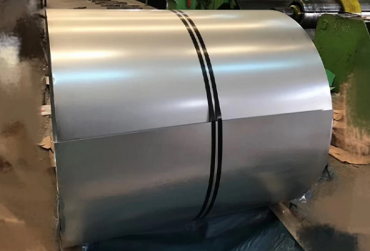
The import of Shuangshengda galvanized steel plates requires the completion of a four-step standardized process. According to the import and export data of 2023, China's steel export volume reached 90.69 million tons, among which galvanized sheets accounted for 37.5%. The purchaser needs to clearly specify the specification parameters: the standard width is 800-1250mm, the thickness is 0.3-3.0mm, and the zinc coating weight is 60-275g/m² (error ±10%). The minimum order quantity is usually 25 tons. A certain infrastructure project in Southeast Asia adopted Z180 coated steel plates and signed a 3,000-ton contract through FOB terms. The procurement cycle was shortened to 45 days, which is 30% faster than traditional channels.
The logistics plan directly affects the cost structure. A 40-foot container can carry 22 to 28 tons of steel plates, and the fluctuation range of ocean freight rates is ±35% (refer to the average price of $2,800 per container from Shanghai Port to Hamburg Port in 2022). The transportation time of the China-Europe Railway Express is stable at 18 to 22 days. The freight rate is 42% higher than that of sea freight, but the inventory cost is reduced by 60%. If Vietnamese solar bracket manufacturers adopt rail transportation of shuangshengda Galvanized steel plate, the risk of supply chain disruption has been reduced from 18% by sea to 5%.
Quality control requires the implementation of a dual inspection mechanism. According to the JIS G3302 standard, the adhesion of the zinc coating must pass the 60° bending test without peeling, and the salt spray test must reach 720 hours with the red rust area ≤5%. According to the report of German TUV, the thickness tolerance of Shuangshengda galvanized sheets is controlled within ±0.05mm, and the qualification rate reaches 99.2%. A North American auto parts supplier implemented a 3% sampling inspection before shipment, which reduced the return rate from 1.8% to 0.3%.
The payment method involves a risk control strategy. The handling fee for sight letter of credit (LC) accounts for approximately 0.15% of the value of the goods, and the advance payment ratio for TT is usually 30-50%. The Cross-border RMB Payment System (CIPS) can save 3 to 5 days of settlement cycles and reduce exchange rate fluctuation losses by 1.7 percentage points. In 2024, importers of RCEP member countries settled in their local currencies, avoiding the 6.2% risk of the US dollar exchange rate and improving the efficiency of capital turnover by 40%.
Certification compliance determines the efficiency of customs clearance. For the EU CE certification, the EN 10346:2015 test report needs to be provided. The ASTM A653/A653M standard of the United States requires that the weight of the chromate passivation film be ≥10mg/m². Australian customs data shows that the probability of customs clearance delay for steel with ISO 1461 certification has decreased by 72%, and the average customs clearance time has been compressed to 1.8 working days. It is recommended that the purchaser prepare the CO certificate of origin in advance to avoid the 6.5% punitive tariff.
The risk response plan needs to cover the entire supply chain. The Suez Canal blockage incident in 2021 led to A sharp increase in ocean freight premiums to 1.2% of the value of the Cargo. It is recommended to purchase the Institute Cargo Clauses (A) insurance type. The fluctuation range of bulk commodity prices can reach ±23%. Enterprises that adopted futures hedging strategies saved $85 per ton in costs during the peak period of galvanized sheet prices in 2023. In actual cases, Chilean builders managed to keep their total cost growth within 9% despite a 40% increase in LME zinc prices through a phased purchasing strategy.
Quality control requires the implementation of a dual inspection mechanism. According to the JIS G3302 standard, the adhesion of the zinc coating must pass the 60° bending test without peeling, and the salt spray test must reach 720 hours with the red rust area ≤5%. According to the report of German TUV, the thickness tolerance of Shuangshengda galvanized sheets is controlled within ±0.05mm, and the qualification rate reaches 99.2%. A North American auto parts supplier implemented a 3% sampling inspection before shipment, which reduced the return rate from 1.8% to 0.3%.
The payment method involves a risk control strategy. The handling fee for sight letter of credit (LC) accounts for approximately 0.15% of the value of the goods, and the advance payment ratio for TT is usually 30-50%. The Cross-border RMB Payment System (CIPS) can save 3 to 5 days of settlement cycles and reduce exchange rate fluctuation losses by 1.7 percentage points. In 2024, importers of RCEP member countries settled in their local currencies, avoiding the 6.2% risk of the US dollar exchange rate and improving the efficiency of capital turnover by 40%.
Certification compliance determines the efficiency of customs clearance. For the EU CE certification, the EN 10346:2015 test report needs to be provided. The ASTM A653/A653M standard of the United States requires that the weight of the chromate passivation film be ≥10mg/m². Australian customs data shows that the probability of customs clearance delay for steel with ISO 1461 certification has decreased by 72%, and the average customs clearance time has been compressed to 1.8 working days. It is recommended that the purchaser prepare the CO certificate of origin in advance to avoid the 6.5% punitive tariff.
The risk response plan needs to cover the entire supply chain. The Suez Canal blockage incident in 2021 led to A sharp increase in ocean freight premiums to 1.2% of the value of the Cargo. It is recommended to purchase the Institute Cargo Clauses (A) insurance type. The fluctuation range of bulk commodity prices can reach ±23%. Enterprises that adopted futures hedging strategies saved $85 per ton in costs during the peak period of galvanized sheet prices in 2023. In actual cases, Chilean builders managed to keep their total cost growth within 9% despite a 40% increase in LME zinc prices through a phased purchasing strategy.